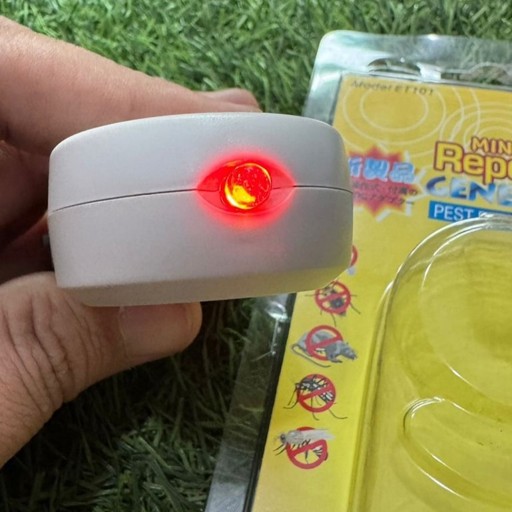
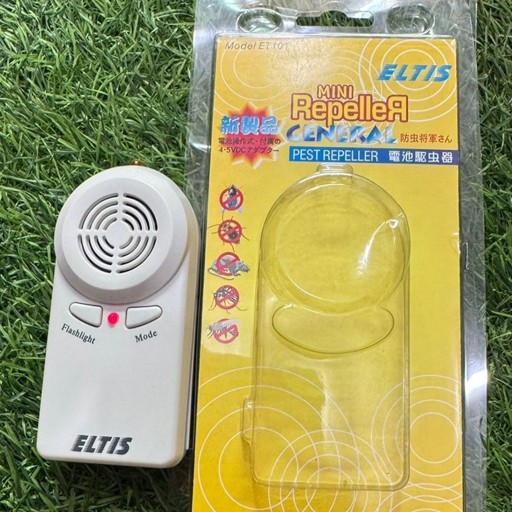
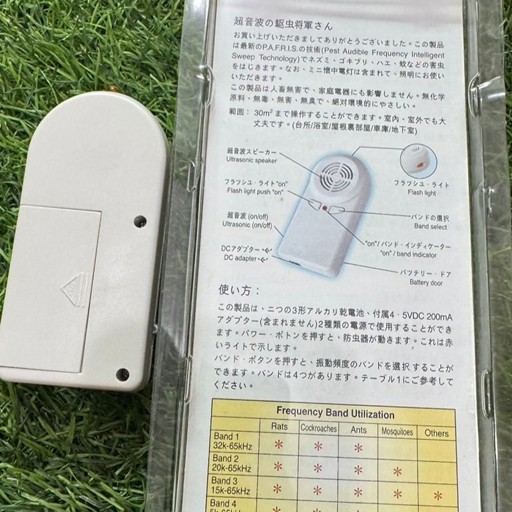
Unfortunately, the science behind ultrasonic pest repellers is ultra-shaky. Seems like an attractive idea though, right? Just plug a charger-sized device emitting undetectable sound into the wall, wait about 2 weeks, then BAM, your garage oasis is insect and rodent free without the use of chemical pesticides or inhumane traps. Sounds great! Too bad these devices have never been proven to actually work. But let’s take a look at the theory anyway.
Ultrasonic sound waves have a frequency higher than what human ears can hear, but invading species can detect them. The sound is meant to irritate pesky critters and prevent them from making homes near the source of the noise. I’m pretty sure this is similar to how I feel about Montreal’s constant construction – in all fairness, I would move away too if I had the choice. But this only makes sense in theory. In actuality some animals seem to habituate to the noise, and others just don’t seem bothered at all.

Some studies conducted in perfect laboratory conditions show that ultrasonic sound can be fatal to certain species by critically increasing their body temperature or causing audio-induced seizures. So the humane notion of pests simply scurrying out of your garage with a massive headache isn’t quite right either. But due to the variable nature of pest invasions, these findings have not been replicated in actual homes. Researchers using higher quality ultrasound generators have shown that sound can be effective at disrupting mating or eating habits of particular animals. These generators, however, are several grades above any device available for consumers which can’t replicate the complicated patterns of sound and turn out to be pretty much useless.